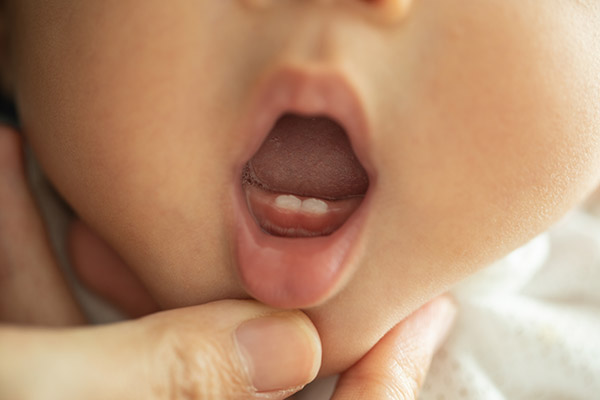
 A pediatric dentist recommends parents have their infant visit six months prior to the first teeth emerging. Read on to learn tips for caring for your infant's first teeth. Parents are also encouraged to bring their infants to the pediatric dentist after their teeth first emerge. This review offers tips from a pediatric dentist on how to care for your child’s first teeth right after they come through.
A pediatric dentist explains how to care for your infant’s first teeth
Parents can help protect their child’s first teeth after they emerge by brushing them regularly, flossing (once teeth touch together), monitoring their diet, and scheduling check-up visits with a pediatric dentist. By following these tips, parents can significantly reduce the risk of their infant developing cavities or other oral health concerns.
Brush at least twice per day
First and foremost, brushing is the easiest and best defense against oral health concerns in infants. Of course, until your child is capable of adequately brushing on their own, brushing is the parent’s responsibility. It is important to remain consistent with their brushing routine and reach all areas of teeth without brushing the gums with too much pressure.
Floss regularly once teeth touch together
Floss is not necessary until the infant’s teeth begin to touch together. However, when they do start to touch, flossing becomes important for the prevention of gum disease and of cavities in the hard-to-reach areas of teeth. It is helpful to encourage children to floss at a young age so they can develop habits that carry over to when they become teenagers and adults.
Monitor your child’s diet
An infant’s diet is relatively restricted and controlled in the first place, so this tip may not necessarily take effect until the child is older. However, considering the way dietary choices impact your child’s oral health (as well as general health) can never begin too soon. Certain foods and drinks, such as citrus fruits and those that contain carbohydrates, can increase the risk of tooth decay and gum disease.
Schedule regular check-up visits
Regular check-up visits with a pediatric dentist are strongly encouraged to reduce the risk of developing concerns. Ideally, infants and children should visit the pediatric dentist approximately every six months for a check-up and routine dental cleaning.
Check for signs of complications
It can also be helpful for parents to regularly check their infant's teeth and gums for any signs of complications. If it seems as if they are experiencing any pain inside the mouth, then a dental visit may be necessary. Parents should also have their infant see a pediatric dentist if there are any visible concerns such as gum swelling or small holes in the teeth.
Check out what others are saying about our dental services on Google: Pediatric Dentist in New Windsor, NY
Have your child’s first teeth come through?
Here at our pediatric dentistry, we help children develop good oral hygiene habits at a young age. If your infant’s first teeth have erupted, then we encourage you to schedule a visit with our team for a check-up and to learn more about how you can protect their teeth from childhood cavities.
Request an appointment or call Everyday Smiles Pediatric Dentistry at 845-237-4080 for an appointment in our New Windsor office.
Related Posts
Toothache At Night: How To Relieve Your Child’s Pain
A child waking with a toothache at night can leave the whole family worried. First, ease the pain, check for warning signs, and decide whether it can wait until morning.Home care may reduce nighttime tooth pain, but it cannot fix the cause. Use these steps for temporary comfort, then arrange a dental visit.Ask where it…
Don't Forget To Use Your Child's Dental Benefits Before The Year Ends!
When was the last time you checked how much dental insurance coverage your child has left? You might be surprised to discover that some benefits could go unused when the year ends. Between school activities, holiday shopping, and family celebrations, dental appointments often get pushed aside. Many dental insurance plans reset on January 1, meaning…
What Does Laughing Gas Feel Like? What Children Can Expect
If your child needs dental treatment, you may be wondering, what does laughing gas feel like? Most children describe a calm, warm, light, floaty, or slightly tingly feeling. They usually stay awake, hear the dentist, and answer questions throughout the visit.The name can be misleading because not every child laughs. Some become quiet, sleepy, or…