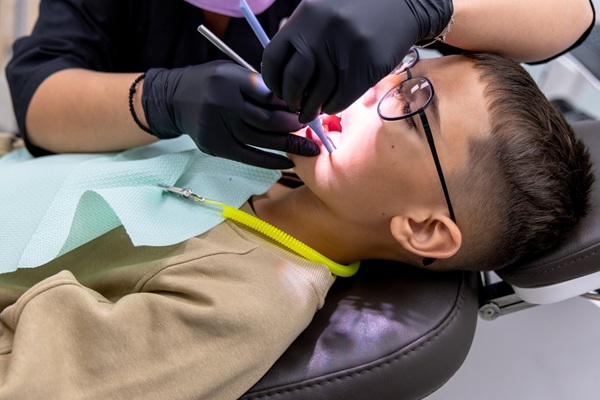
A pediatric dentist works with your child to treat their smile and teach them the importance of oral health from a young age. Misalignment and malocclusions are quite common in children and adolescents as their teeth develop. There are several reasons a child might require braces. Treating these conditions early on can help guide their teeth into proper alignment and enhance their appearance and oral function. To get a head start, a pediatric dentist can evaluate your child for braces and refer them to an orthodontist, as needed.
Is your child ready for braces?
Many children have crooked teeth or jaw and bite misalignment issues as their teeth grow and develop. Common oral health issues in children include crooked, overlapping, or overcrowded teeth or a "bad bite" known as a malocclusion. Malocclusions refer to overbites when the upper jaw protrudes over the lower jaw, while underbites refer to when the lower jaw protrudes over the upper jaw. Although many think of braces as a treatment for teenagers, a pediatric dentist can perform an orthodontic evaluation once their permanent teeth start coming in (around age seven). This allows us to see their teeth, jaw placement, and overall oral development.
It is important for parents to discuss the treatment and its benefits with their children before seeking treatment. Prepare questions to ask the dentist and allow them to come up with their own. Common questions we receive include: What will my smile look like? What lifestyle changes will I need to make? Can I play sports? How long does the average treatment last? Who do you recommend for my child's braces treatment? A pediatric dentist can answer all of these questions and more during the initial consultation.
Questions about candidacy
During the first visit, we will conduct a physical examination and take necessary X-rays to examine the teeth, mouth, and jaw thoroughly. Some of the conditions we look for include:
- Being prone to biting the tongue, the roof of the mouth, or the inside of the cheek accidentally
- Breathing through the mouth
- Early or late loss of baby teeth
- Jaws that click or make other sounds
- Teeth that do not come together even when the mouth is shut completely
- Thumb-sucking or using a pacifier past the age of two
We will also ask the child questions about any symptoms they may be experiencing, whether they have difficulty chewing or swallowing, and if they ever hear a clicking or popping sound. These preliminary questions give us a better understanding of their condition and severity. We encourage parents to ask whether their child's case qualifies for orthodontic treatment and ask about alternative options if needed.
Questions about lifestyle changes
It is a good idea to discuss patients’ lifestyle and behavioral choices prior to treatment to understand the changes they may need to implement. Some questions we hear a lot include changes to diet, oral hygiene, and sports/physical activity. If referred, the orthodontist can answer these questions, as well. However, patients can usually continue playing sports and other activities with their braces on. It is usually recommended that patients wear a mouthguard to protect their mouth and teeth while playing.
Book a consultation today
A timely evaluation for braces can put your child on the right path to protect their teeth, improve their oral health, and enhance their smile. Undergoing treatment at a young age saves them from dealing with extensive treatment during adulthood. Call our office at (845) 237-4080 to learn more or schedule an appointment.
To learn more about our services, visit https://everydaysmilespediatricdentistry.com or call our New Windsor office at (845) 237-4080 to schedule an appointment.
Check out what others are saying about our dental services on Google: Pediatric Dentist in New Windsor, NY.
Related Posts
Space Maintainers For Kids: When Does Your Child Need One?
A baby tooth may fall out after an accident, deep decay, or an extraction. The gap can look harmless, but nearby teeth may move into it.A space maintainer for kids holds that opening until the adult tooth is ready. Not every missing baby tooth needs one. The dentist must consider which tooth is missing, when…
Knocked Out Tooth In A Child: What To Do Immediately
A knocked out tooth can turn a fall or sports accident into a frightening emergency. If it is permanent, quick action may improve the chance of saving it. Find the tooth, hold only the white top, keep it moist, and call an emergency dentist immediately. Never place a baby tooth back into the gum.Dr. Kat…
Laughing Gas For Kids: Is It Safe For Dental Treatment?
A child who fears a filling or tooth removal may struggle to sit still, open wide, or cope with unfamiliar sounds. Laughing gas for kids can make treatment feel calmer without putting most children fully to sleep. Parents still need clear answers about safety, side effects, pain control, and recovery.Laughing gas is a mild calming…
Baby Root Canal Vs Tooth Extraction: What Does A Child Need?
A recommendation for major treatment on a baby tooth can feel alarming. The choice between a baby root canal and removal depends on whether the tooth can be repaired, how long it is needed, and whether infection has spread.In a root canal vs extraction decision, the goal is to stop pain and protect your child’s…